Stepping off the plane in Phuket is the start of an incredible journey, but before diving into the beaches and culture, you need to recharge. The best way to switch from travel mode to vacation mode is to dive straight into the local food scene immediately after leaving the airport. A great first meal is the best that wakes up your senses and perfectly sets the tone for the rest of your trip.
1. Super Dim Sum
Located exactly three kilometers from the airport, Super Dim Sum serves as the primary tactical stop for post-flight recovery. The optimal point to initiate the journey’s culinary narrative. The menu provides a concentrated introduction to Hokkien-influenced flavors, featuring a robust Bak Kut Teh and an extensive variety of Dim Sum. This stop is a mandatory checkpoint to ensure the traveler is physically fortified before engaging with the island's deeper cultural location.
Historical Foundations and Cultural Heritage
Phuket’s identity is not a monolith; it is a multi-layered historical construct. To navigate the island effectively, one must analyze the "Old Town" as a living archive where the fusion of diverse ancestries Chinese, Indian, European, and Muslim is combined into the single urban design. This section of the circuit is dedicated to understanding the social and political evolution that differentiates Phuket from the rest of the Thai mainland.
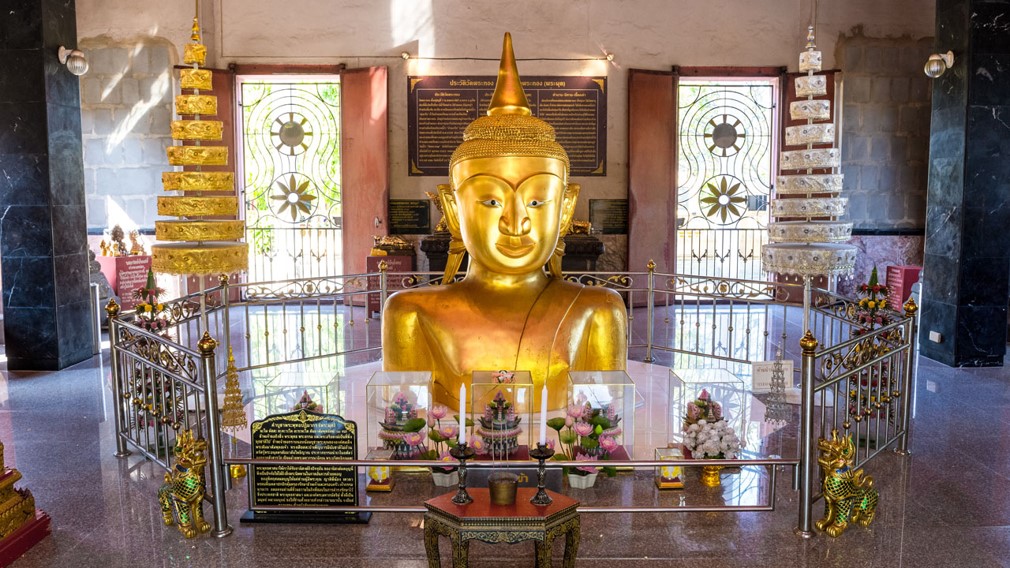
2. Wat Phra Thong

(photo: https://www.tourismthailand.org/Attraction/wat-phra-thong)\
A mandatory cultural checkpoint, Wat Phra Thong houses the "Phra Phut," a half-buried golden Buddha statue. Recognized as an "Unseen" heritage site, it represents the ancient spiritual bedrock of the island. For the documentarian, this site is a prerequisite; to bypass it is to miss the foundational legend of the region.
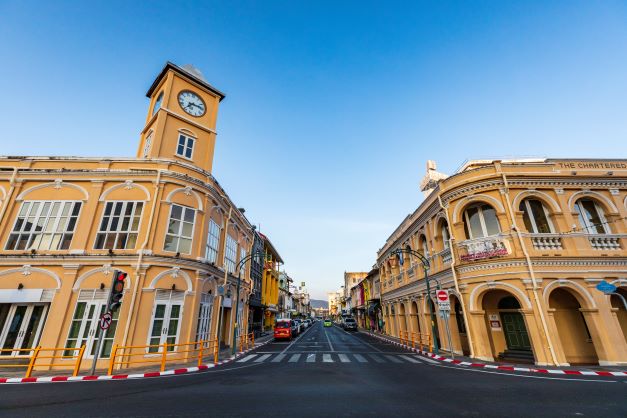
3. Phuket Old Town

(photo: https://www.tourismthailand.org/Attraction/phuket-old-town)
The heart of the island’s heritage is the architectural synthesis of the Old Town. The district is a masterclass in cross-cultural design, blending Chinese and European aesthetics into a "classic" atmosphere that rivals Bangkok’s Yaowarat in historical weight. It offers a dense visual payoff for photography, where every building serves as a testament to the island's mercantile past.
4. Museum Phuket
For a structured distillation of the island’s trajectory, Museum Phuket is the primary educational node. The museum maps the birth of the Phuket metropolis through four distinct political and social eras. It provides the necessary context to understand why the Phuket way of life evolved with such distinct characteristics.
Strategic Transition: Having analyzed the four historical eras of the city’s development, the traveler now enters the fifth: the "Modern Aesthetic Era," where the island's legacy of fusion is reimagined through high-concept café culture.
Southern Marine Logistics and Sunset Landmarks
The southern tip of the island represents the intersection of raw marine resources and definitive geographic icons. This region requires a tactical approach to procurement and timing to maximize the utility of the landscape.
5. Rawai Seafood Market
Rawai is the definitive site for fresh marine consumption. The strategist should follow this three-step protocol:
- Tank Inspection: Navigate the market stalls to inspect the daily catch maintained by local fishermen.
- Ingredients Selection: Select live crabs, mantis shrimp, and river prawns.
- Preparation: Decide between purchasing for home preparation or engaging a nearby restaurant to cook the catch to order.
- Recommended Order: Fresh Oysters, spicy Yum, fried river prawns, scallops, and large steamed crab.
6. Nai Harn Beach
Adjacent to the southern landmarks, Nai Harn is distinguished by the high density and fine texture of its sand. While souvenir shops are scattered around the periphery for incidental needs, the primary utility of this beach is its suitability for sunbathing and its proximity to the island’s most iconic viewpoints.
7. Yanui Beach
Located a precise 10-minute drive north from Promthep Cape, Yanui Beach offers the illusion of a private bay. Tactical Warning: There is strictly no shopping available at this location, and parking is extremely limited. Advanced planning is required to secure a position in this quiet, tucked-away cove.
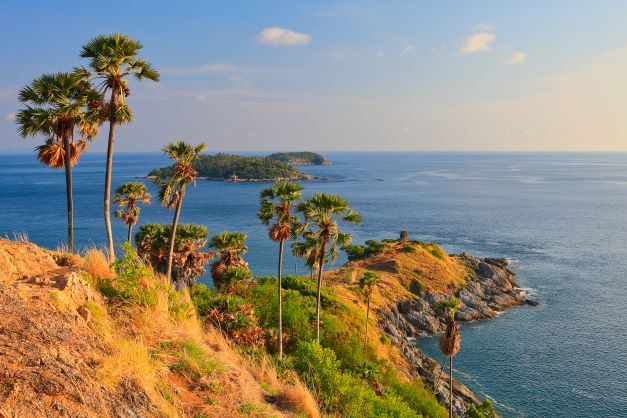
8. Promthep Cape (The Sunset Landmark)

(photo: https://www.tourismthailand.org/Attraction/laem-phromthep)
As the definitive sunset viewpoint in Thailand, Promthep Cape is a non-negotiable landmark in Phuket.Its status as the island's primary geographic icon makes it a vital circuit point.
Spiritual Elevation: The Big Buddha District
High-altitude landmarks offer the dual utility of religious devotion and panoramic urban observation. This district provides the most comprehensive perspective of the island’s topography.
9. Big Buddha (Phra Phutthamingmongkhon Akenakkiri)

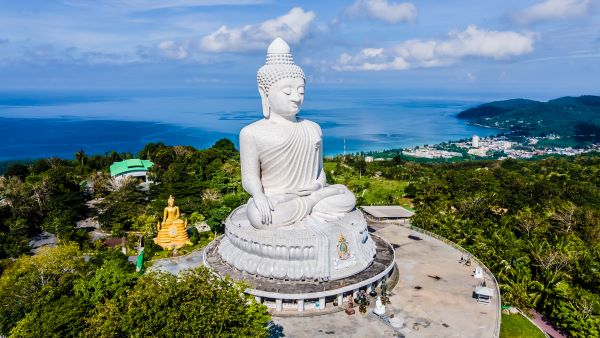
(photo: https://www.tourismthailand.org/Attraction/phra-phuttha-ming-mongkhon-ek-nakkhiri-phuket-big-buddha)
The Big Buddha is a monument of immense technical scale (45m high, 25.5m wide) and is a "Contemporary Art" interpretation of the Maravijaya style. Beyond its religious significance, it provides a 360-degree tactical view of Phuket City.
The Western Coastline
The western coast is a diverse array of coastal personas. The strategist must choose locations based on the desired "Activity Profile" ranging from active sports to passive observation.
10. Kata Noi Beach
Kata Noi is characterized by exceptional water clarity maintained year-round. It is the primary hub for active travelers, with rental equipment readily available for various water-based activities in a serene, controlled setting.
11. Kata Yai Beach
In contrast to the privacy of Kata Noi, Kata Yai is open and expansive. Its primary strategic value lies underwater; coral reefs stretch along the coastline toward Koh Pu, making it the premier location for snorkeling and marine observation.
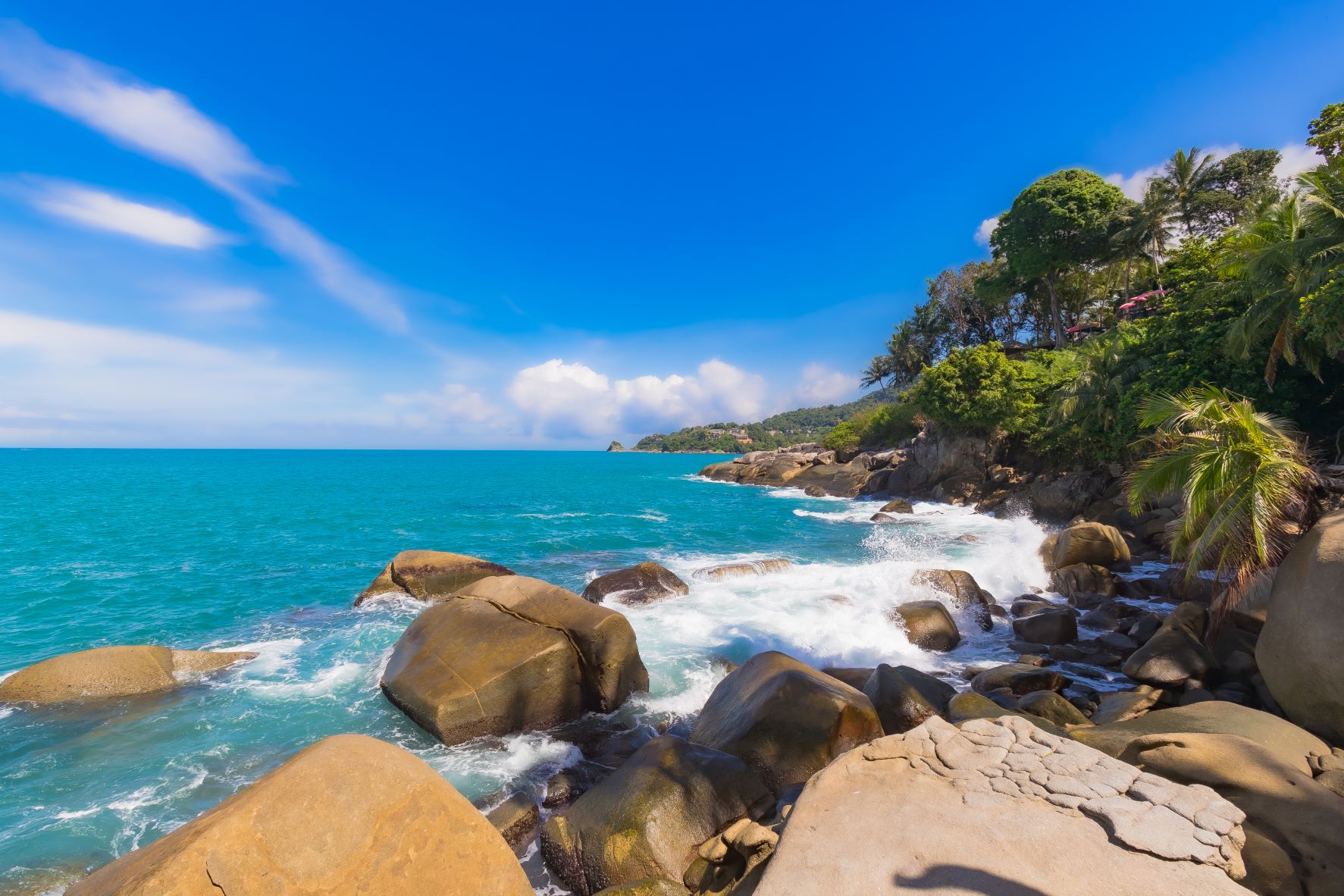
12. Kalim Beach

(photo: https://www.tourismthailand.org/Attraction/kalim-beach)
Kalim Beach is defined by rocky terrain and aggressive wave patterns. While unsuitable for traditional swimming, it offers a high "visual payoff" for surfers and wave-watchers. It is the preferred alternative for those who prioritize the raw power of the ocean over crowded social beaches.
13. Kamala Beach
Kamala beach remains a quiet, natural enclave. As the sun sets, it transitions into a sophisticated venue for evening drinks, appealing to travelers who prefer a refined, tranquil end to the day.
14. Surin Beach
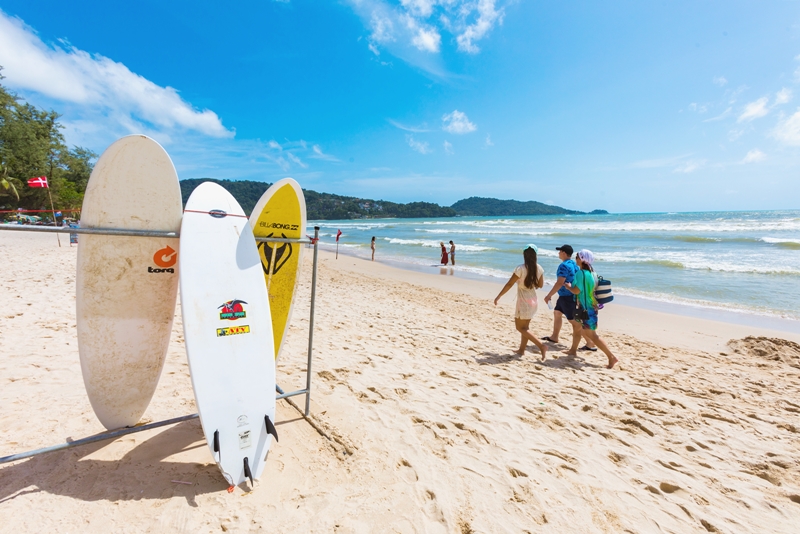
Surin Beach offers the island’s highest visual contrast: brilliant white sand against turquoise-green water. Tactical Safety Warning: The beach is subject to both strong waves and high winds. While it is an excellent location for family activities and wave-riding, vigilance is mandatory.
15. Patong Beach

(photo: https://www.tourismthailand.org/Attraction/hat-patong)
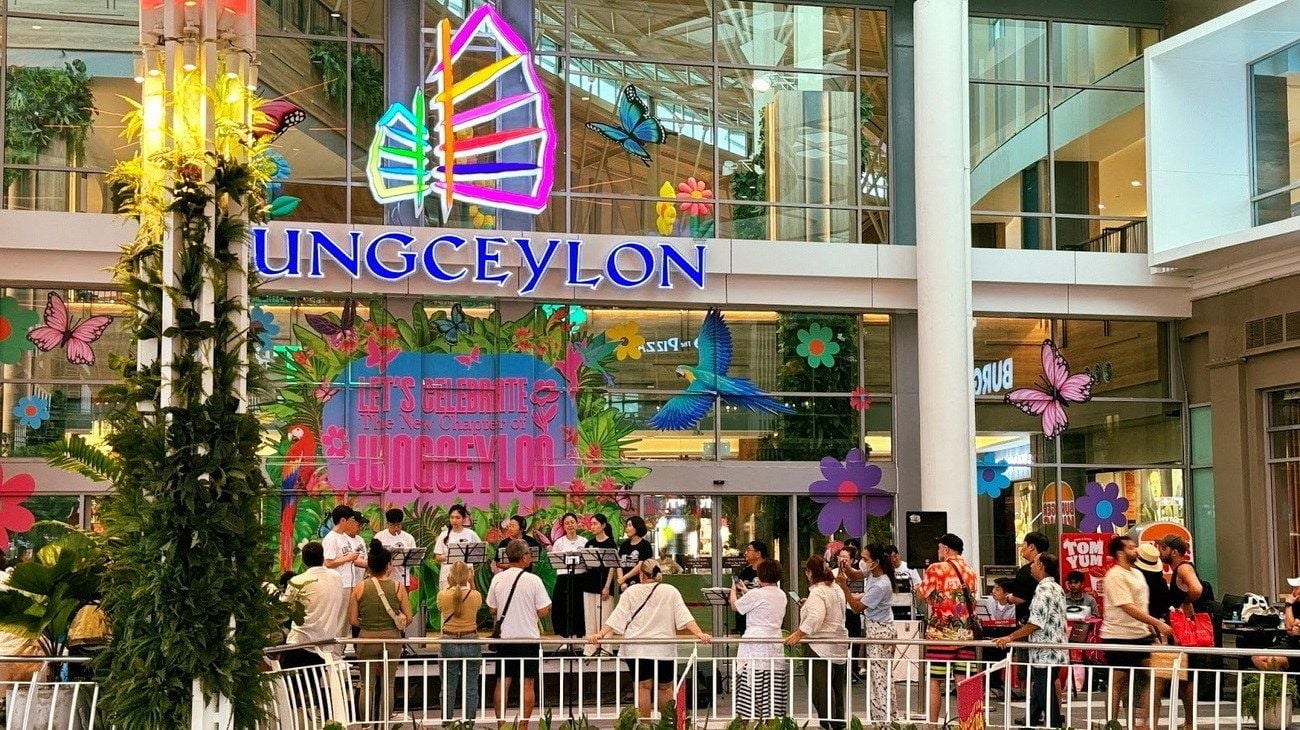
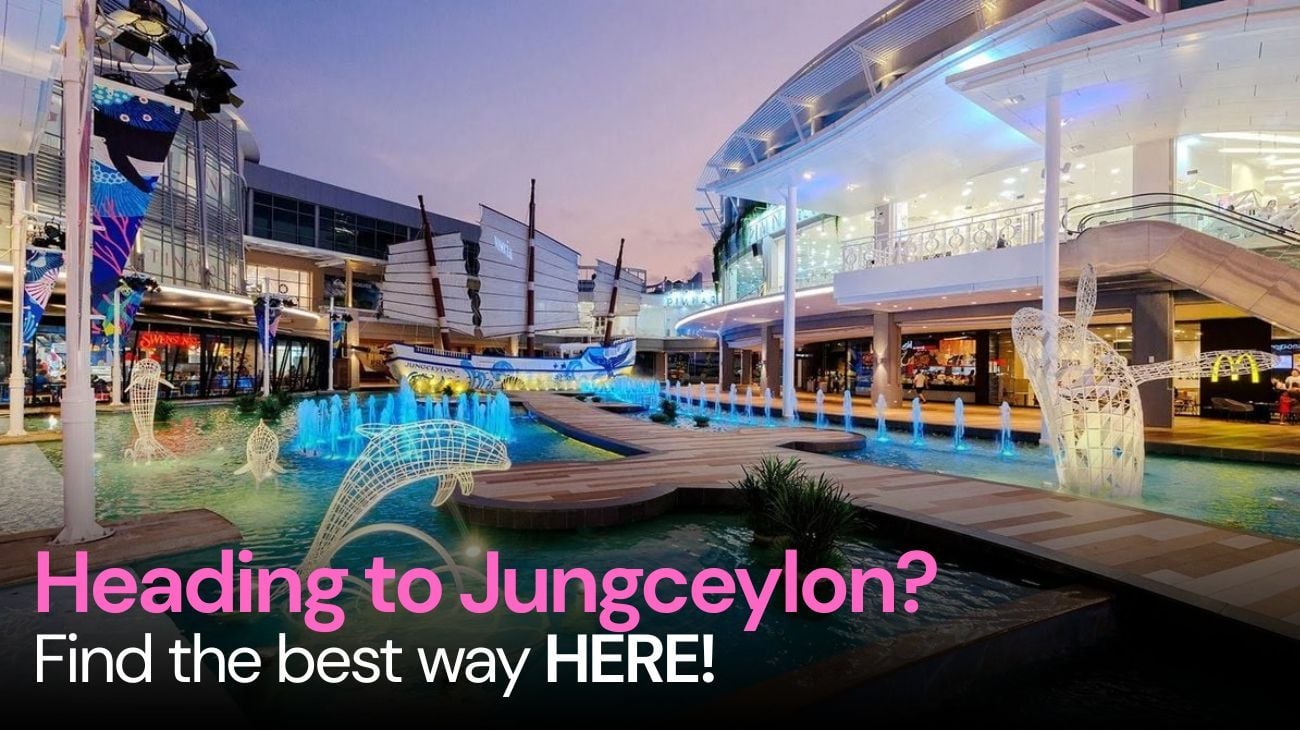
The journey can wrap up at Patong Beach, the bustling heart of the west coast's nightlife and street markets. It’s the best spot for shopping and dining, especially with Jungceylon right in the heart of Patong. This massive shopping mall is a great place to escape the heat, grab a bite to eat, and pick up some last-minute souvenirs. Between the lively beach and the endless options at Jungceylon, it’s the perfect place to relax, recharge, and soak in Phuket’s vibrant energy.
This comprehensive Phuket journey begins with a local culinary welcome and a deep dive into the island's rich heritage through the Old Town, Museum Phuket, and iconic spiritual sites like the Big Buddha. The adventure then moves to the stunning southern coast, where you can indulge in fresh seafood at Rawai Market and take in breathtaking sunsets at Promthep Cape. Finally, the itinerary sweeps along the diverse western shoreline—from the serene waters of Kata and Kamala to a vibrant, energetic finale of shopping and dining at Patong Beach and Jungceylon.